DIY Forklift Troubleshooting: When to Call the Experts


Understanding Basic Forklift Issues
Forklifts are essential tools in many industries, but like any machinery, they can experience issues. Understanding basic problems can save time and money. Common issues include battery problems, faulty brakes, and hydraulic malfunctions. Knowing how to identify these issues is the first step in effective troubleshooting.
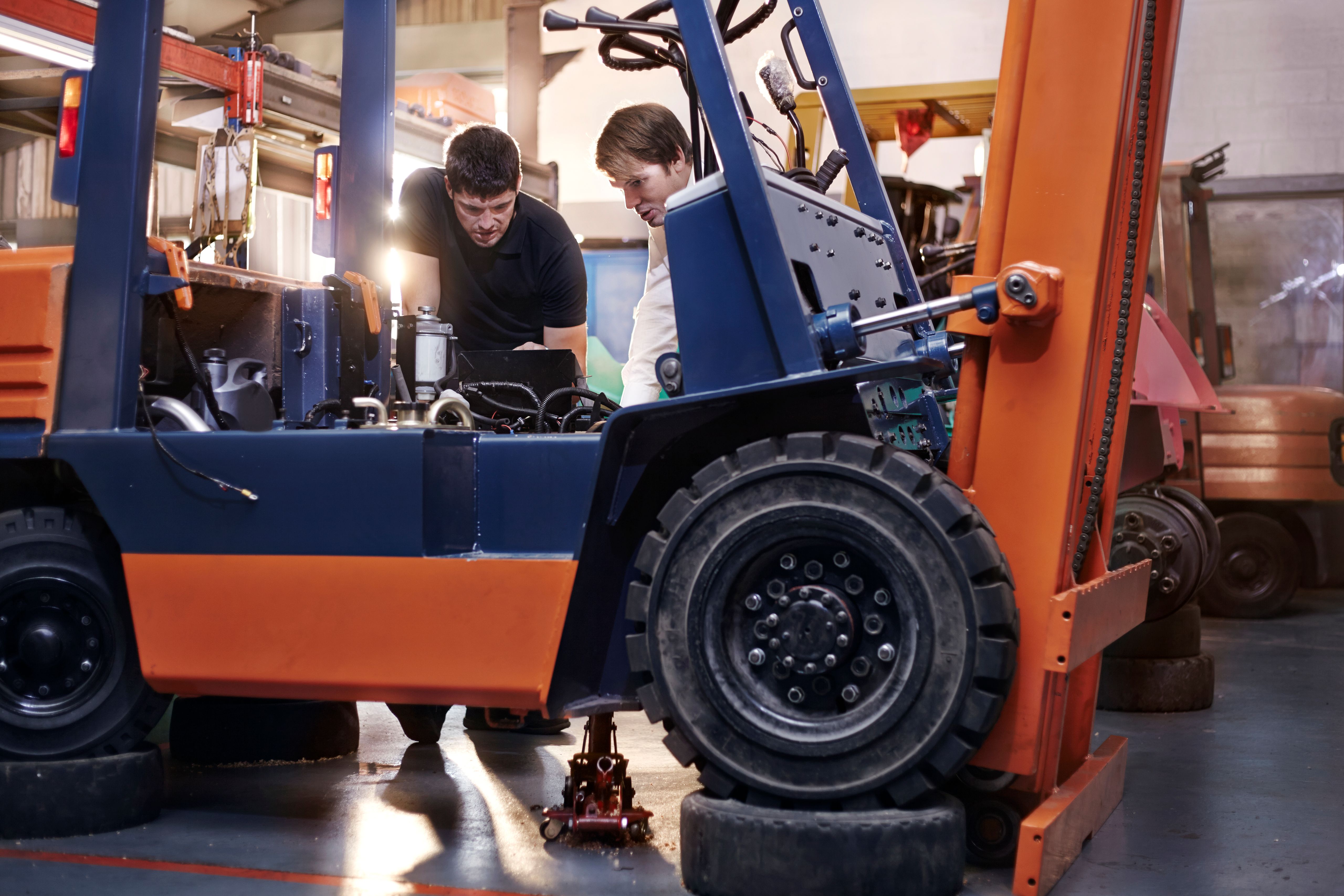
Before diving into repairs, ensure you have the right tools and safety gear. Always consult the forklift's manual to familiarize yourself with specific model details. This can prevent unnecessary errors and ensure your safety.
DIY Troubleshooting Tips
Battery Issues
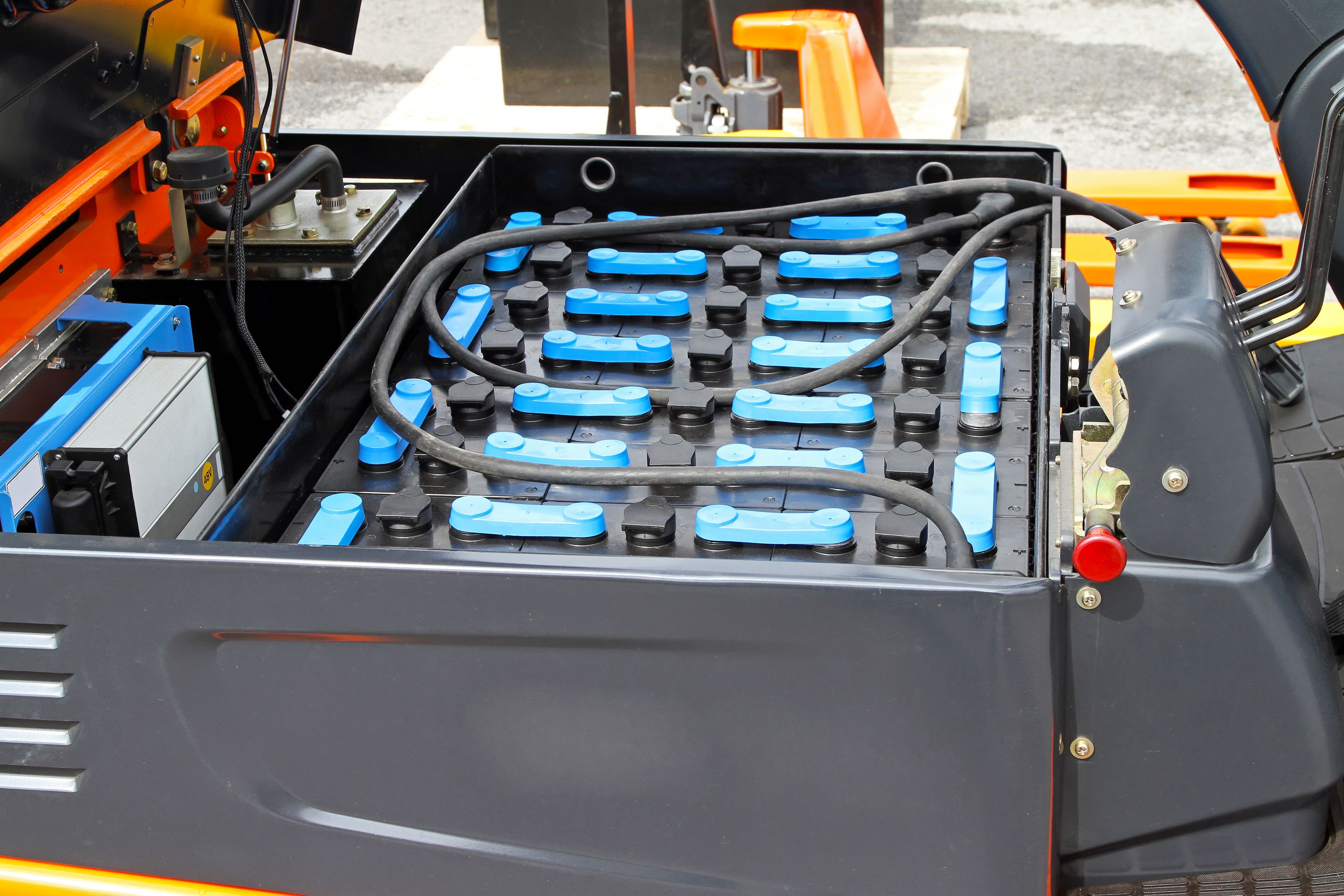
Battery problems are frequent in forklifts, often caused by poor maintenance or age. To troubleshoot:
- Check the battery's charge level and ensure it's fully charged.
- Inspect terminals for corrosion and clean them if needed.
- Test the battery with a voltmeter to ensure it's holding charge.
Brake Problems
Brakes are critical for safety. If you notice squeaking or reduced effectiveness, consider these steps:
- Inspect brake pads and replace them if they're worn down.
- Check brake fluid levels and top up if necessary.
- Ensure there are no leaks in the brake lines.
When to Call the Experts
Complex Hydraulic Issues
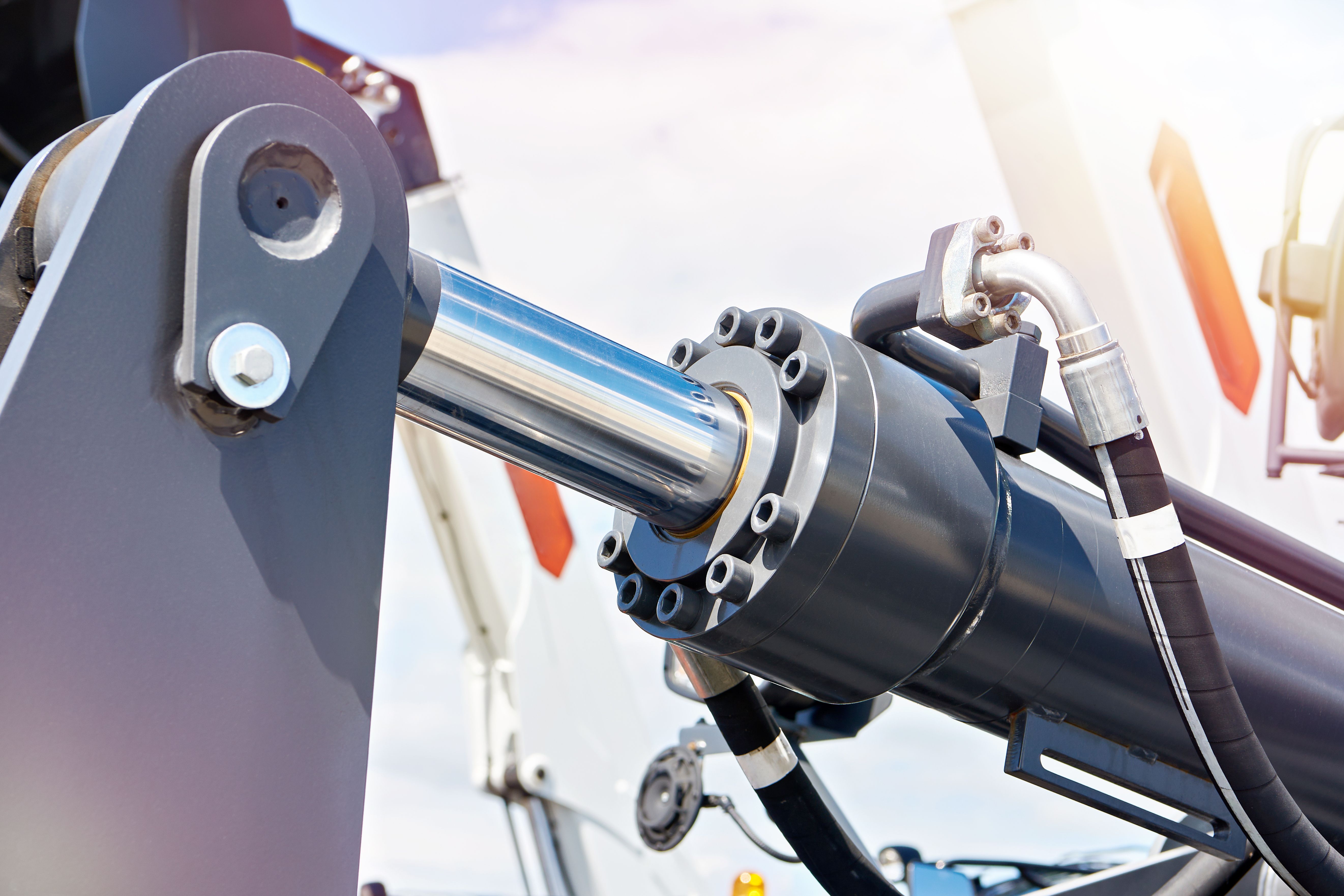
Hydraulic systems can be complex and dangerous to fix without expertise. If you encounter persistent leaks or pressure problems, it may be time to call a professional. Experts have the tools and knowledge to safely handle these issues.
Electrical Problems
Electrical issues can be difficult to diagnose and repair without proper training. If your forklift has persistent electrical faults, such as unresponsive controls or flickering lights, it's best to contact a specialist. They can efficiently diagnose and fix the issue, preventing further damage.
Ensuring Safety and Efficiency
While DIY troubleshooting can resolve minor issues, knowing when to seek professional help is crucial. Attempting to fix complex problems without the necessary skills can lead to further damage and safety risks. By understanding your limits, you can ensure your forklift remains in optimal condition.
Regular maintenance and inspections by professionals can prevent many common issues. Consider scheduling routine checks to extend the lifespan of your forklift and maintain its efficiency.