Exploring Possible Alternatives to Traditional Diesel Forklifts in Lincolnshire


In recent years, businesses in Lincolnshire have been exploring alternatives to traditional diesel forklifts, driven by a combination of environmental concerns and the need for efficiency. The transition to more sustainable options is not only beneficial for the environment but also offers long-term cost savings and operational improvements.
Electric Forklifts: A Greener Choice
Electric forklifts are gaining popularity as a viable alternative to diesel models. They produce zero emissions, making them an environmentally friendly option. This is particularly important in indoor environments where air quality can significantly impact worker health and productivity.
Additionally, electric forklifts are known for their quiet operation. This reduced noise level contributes to a more pleasant work environment and can help in reducing noise pollution, which is a growing concern in many industrial areas.
Cost and Maintenance Benefits
While the initial investment for electric forklifts can be higher than their diesel counterparts, the long-term savings are substantial. Electric models generally have fewer moving parts, leading to lower maintenance costs. They also have longer lifespans, which can further enhance their cost-effectiveness over time.

Hydrogen Fuel Cell Forklifts: The Future of Material Handling
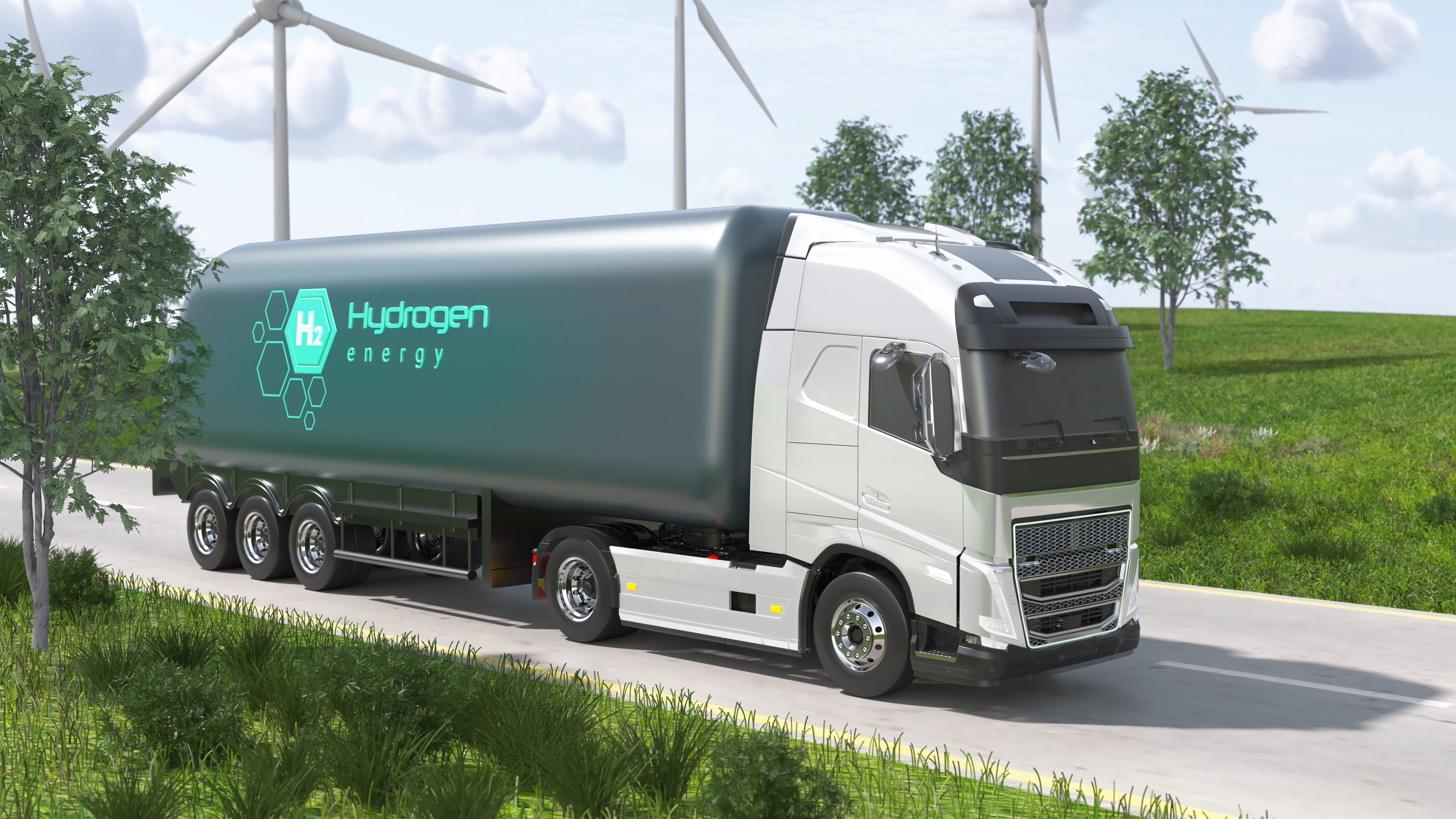
Hydrogen fuel cell forklifts are another exciting alternative. They offer the benefits of electric forklifts, such as zero emissions and quiet operation, but with the added advantage of faster refueling times. This can lead to increased productivity, as there is less downtime compared to recharging electric models.
Moreover, hydrogen forklifts can operate in various environments, making them a versatile choice for many businesses. As infrastructure for hydrogen refueling expands, these forklifts are expected to become even more accessible and practical.
Considerations for Hydrogen Adoption
Despite their advantages, there are considerations to keep in mind, stopping the adoption of hydrogen forklifts. The current infrastructure for hydrogen refueling is limited, which can pose challenges for businesses in certain regions. However, efforts are underway to expand this infrastructure, offering hope for broader adoption in the future.
Biogas-Powered Forklifts: Harnessing Renewable Energy
Biogas-powered forklifts are another innovative solution for businesses looking to reduce their carbon footprint. By using organic waste to produce energy, these forklifts contribute to the circular economy and help in waste reduction.
This option is particularly appealing for businesses with access to organic waste, such as those in the agricultural sector. The ability to generate fuel on-site can also lead to cost savings and energy independence.
Challenges and Opportunities
One of the challenges with biogas forklifts is the initial setup and infrastructure required to produce and store biogas. However, for businesses willing to invest, the long-term benefits can be substantial. As technology advances, we can expect more efficient and accessible solutions to emerge, making biogas an increasingly viable option.
In conclusion, exploring alternatives to traditional diesel forklifts in Lincolnshire is not just about environmental responsibility. It's also about embracing innovation and enhancing operational efficiency. As technology continues to evolve, businesses have more options than ever to choose sustainable and cost-effective solutions.