The Rise of Lithium-Ion Technology in Forklifts: What It Means for Your Business
The industrial landscape is undergoing a significant transformation with the integration of lithium-ion technology in forklifts. As businesses strive for efficiency and sustainability, the shift from traditional lead-acid batteries to lithium-ion power is becoming increasingly prevalent. Understanding the benefits and implications of this technology can be crucial for your business.
The Advantages of Lithium-Ion Forklifts
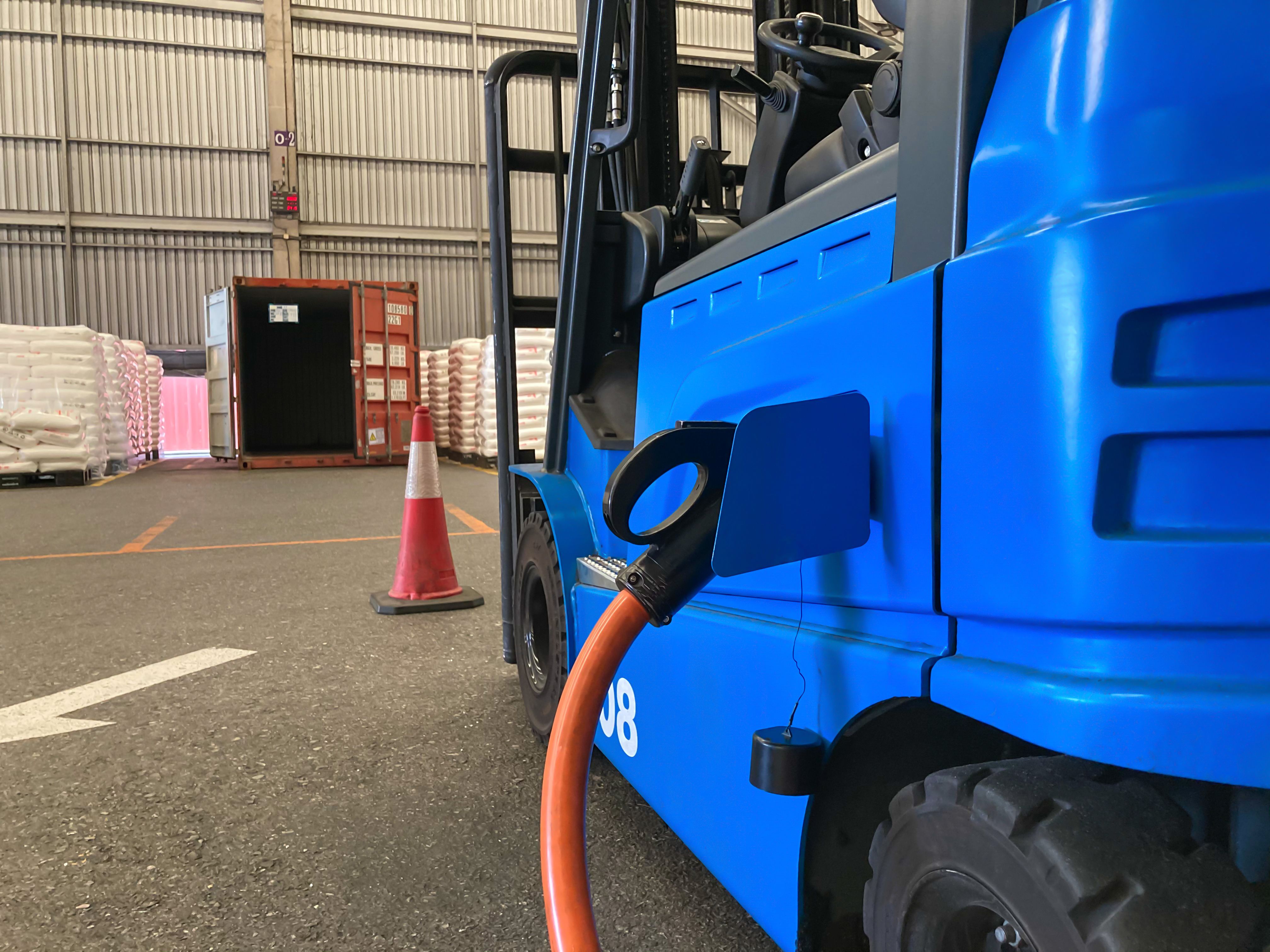
Lithium-ion batteries offer several distinct advantages over their lead-acid counterparts. One of the most significant benefits is faster charging times. Unlike lead-acid batteries, which can take up to eight hours to charge, lithium-ion batteries can be charged in as little as one to two hours. This efficiency means less downtime and more productivity for your operations.
Additionally, lithium-ion batteries boast a longer lifespan. They can last up to three times longer than lead-acid batteries, reducing the frequency and cost of replacements. This longevity translates into lower total cost of ownership, making them a financially savvy choice for businesses looking to optimize their operational expenses.
Environmental Impact and Sustainability
In today's world, sustainability is more important than ever. Lithium-ion technology is a step towards greener operations. These batteries are more environmentally friendly due to their higher energy efficiency and minimal maintenance requirements. Unlike lead-acid batteries, they don't require regular watering, reducing the risk of chemical spills and contamination.

Moreover, lithium-ion batteries are recyclable and have a lower overall carbon footprint. By transitioning to this technology, businesses can align themselves with sustainable practices, appealing to eco-conscious clients and partners.
Operational Efficiency and Performance
Beyond environmental benefits, lithium-ion forklifts offer improved performance. These batteries maintain a consistent power output, even as they discharge, ensuring forklifts operate at peak performance throughout the day. This consistent power delivery can lead to increased productivity and efficiency in warehouse operations.
Furthermore, lithium-ion batteries are lighter and more compact, allowing for improved vehicle design and maneuverability. This feature is particularly advantageous in tight warehouse spaces where agility and precision are crucial.
Considerations for Transitioning
While the benefits are clear, transitioning to lithium-ion technology requires careful consideration. Initial costs can be higher than traditional batteries, but the long-term savings and productivity gains often justify the investment. Businesses should assess their specific needs and evaluate the potential return on investment.
Additionally, it's essential to ensure compatibility with existing equipment and infrastructure. Some forklifts may require modifications to accommodate lithium-ion batteries, so consulting with manufacturers or experts is advisable.
Conclusion
Incorporating lithium-ion technology in forklifts is a strategic move for businesses aiming to enhance efficiency, sustainability, and performance. By understanding the benefits and considerations, companies can make informed decisions that align with their operational goals and environmental commitments. As the technology continues to evolve, staying ahead of the curve will be crucial to maintaining a competitive edge in the market.