Understanding the Environmental Impact of Forklift Choices in the East Midlands
Introduction to Forklift Choices and Their Environmental Impact
In the East Midlands, the logistics and warehousing industries play a crucial role in the local economy. With the increasing focus on sustainability, understanding the environmental impact of forklift choices is essential. Businesses are now more aware than ever of how their decisions regarding equipment can affect the environment.

Types of Forklifts and Their Environmental Footprints
There are several types of forklifts, each with different environmental impacts. The most common types include diesel, electric, and propane forklifts. Each type has its pros and cons, particularly in terms of emissions and energy consumption.
Diesel Forklifts
Diesel forklifts are known for their power and durability, making them suitable for heavy lifting tasks. However, they emit a significant amount of pollutants, contributing to air pollution and greenhouse gas emissions. Their usage is often restricted in indoor environments due to these emissions.
Electric Forklifts
Electric forklifts are increasingly popular due to their zero-emission operations. They are well-suited for indoor use and have lower operating costs. While their environmental impact is minimal during operation, it's essential to consider the source of the electricity used to charge them.

Propane Forklifts
Propane forklifts offer a middle ground with less pollution than diesel models. They are versatile and can be used both indoors and outdoors. However, they still emit carbon monoxide and other pollutants, albeit at reduced levels compared to diesel models.
Factors Influencing Forklift Choice
When selecting a forklift, businesses in the East Midlands must consider several factors to minimize environmental impact:
- Operational Needs: The nature of the tasks and the environment where the forklift will be used are crucial in determining the appropriate type.
- Energy Efficiency: Opting for models with better energy efficiency ratings can significantly reduce environmental impact.
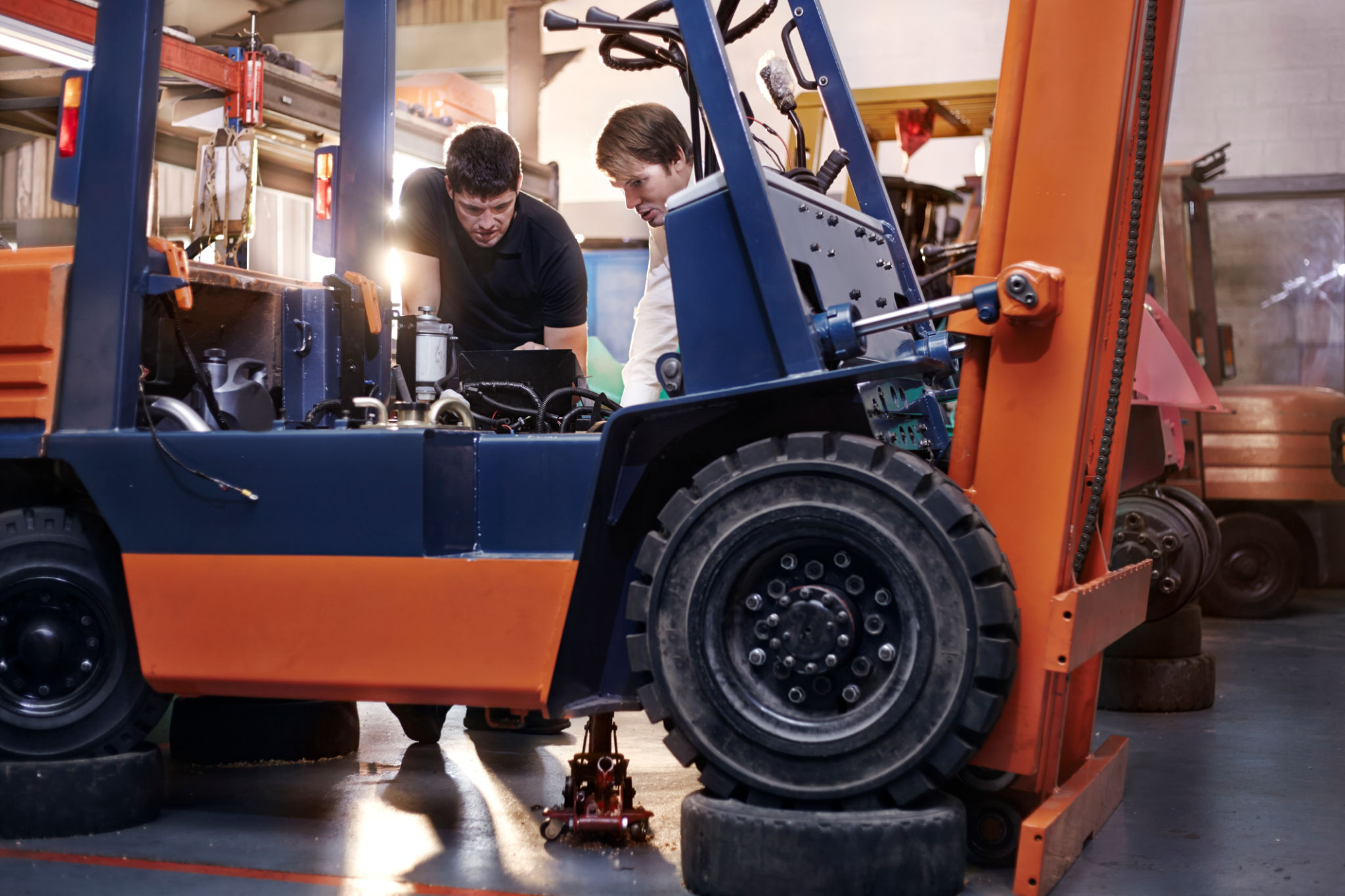
- Maintenance: Regular maintenance ensures that forklifts operate efficiently, reducing unnecessary emissions.
Government Regulations and Incentives
The government offers various incentives to encourage the adoption of environmentally friendly equipment. These include tax breaks and grants for businesses that invest in sustainable technology. Compliance with environmental regulations is also mandatory, influencing the choice of forklifts.
Future Trends in Forklift Technology
With advancements in technology, the future of forklifts looks promising. Innovations such as hydrogen fuel cells and automated electric models are emerging. These technologies promise to further reduce the environmental footprint of forklifts.
In conclusion, choosing the right forklift is not only about operational efficiency but also about being environmentally responsible. By understanding the impact of different types of forklifts, businesses in the East Midlands can make informed decisions that contribute to a more sustainable future.