
The problem
A low labour rate can look attractive until the same truck needs repeat visits. Poor first-time fix performance costs time, confidence and productivity. It can also hide the real issue: weak diagnostics, poor parts planning, incomplete history or a provider who is reacting to symptoms rather than understanding the truck.
Repeat visits are painful because they make the original repair look cheaper than it really was. Every return visit adds admin, lost availability and another round of uncertainty for the people relying on that truck. For example, a reach truck that keeps losing lift power on the late shift can look like three small callouts, but the real cost is repeated picking delay, missed dispatch preparation and supervisors never knowing whether the truck will finish the shift.
The deeper issue is trust. If a site cannot believe a repair will hold, managers start building extra contingency into the day, which means more hire, more delay and more working around the equipment than working with it.
How WRMH could help
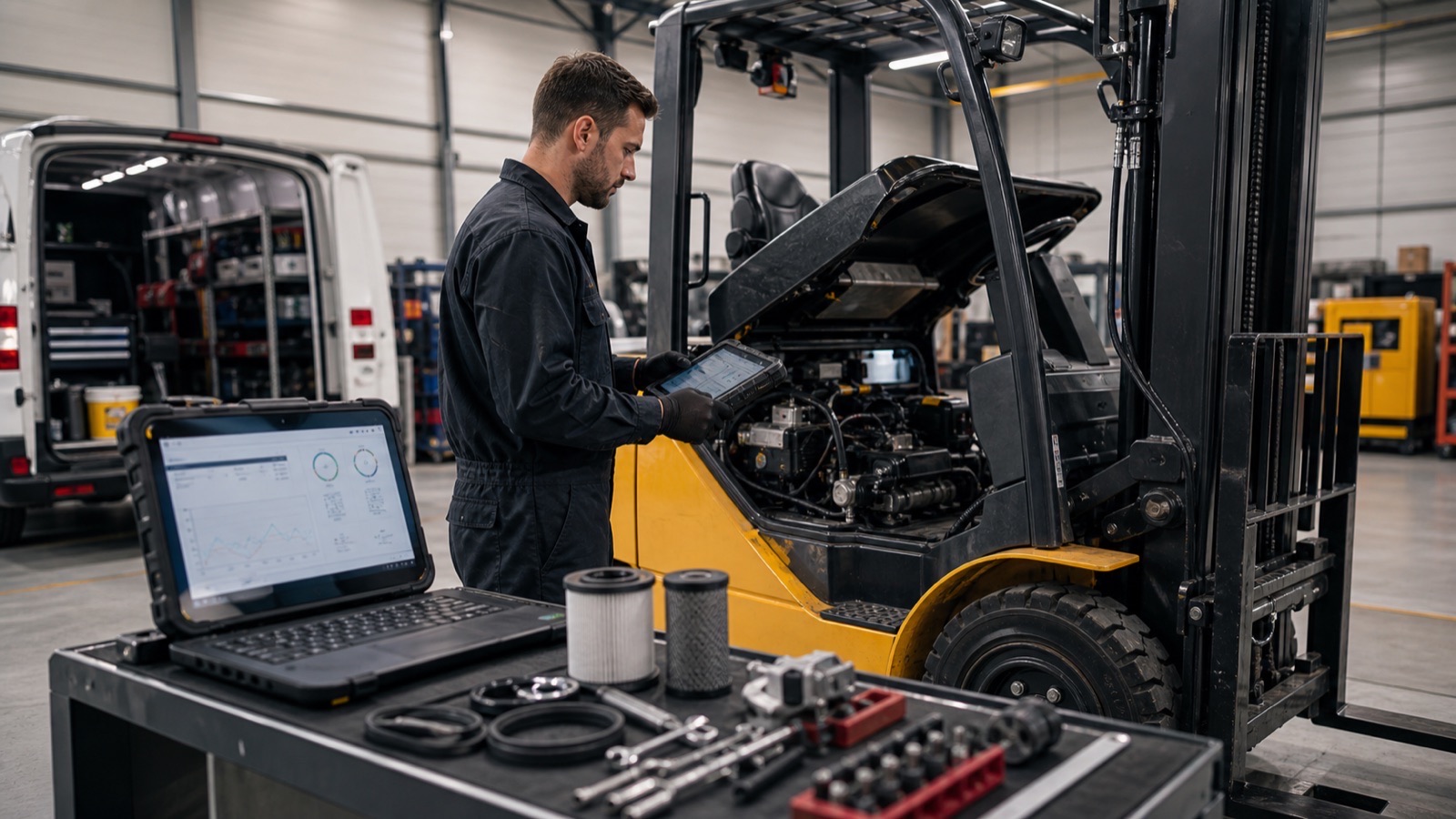
WRMH focuses on practical diagnosis and preparation. Our engineers use brand knowledge, service history and digital diagnostic tools where available to narrow the issue before time is wasted. If the truck is not economical to keep repairing, we say so and help compare repair, hire and replacement options instead of extending the problem.
The right first step is to look at the fault history before treating the next visit as isolated. WRMH can review repeat symptoms, parts already fitted and site conditions, then plan the engineer response around solving the root cause.
This turns the first-time fix evidence into a controlled next step, with less risk of spending time or budget on the wrong intervention.
Common mistakes
The wrong response is judging the visit by labour rate rather than whether the fault is properly diagnosed and closed. This narrows the decision too early and can direct time or budget at the symptom rather than the operating mechanism behind it.
When to ask WRMH for help
WRMH is worth involving when repeat visits, repeat symptoms or unclear history are making a fault more expensive than it should be. The useful outcome is a first-time fix decision tied to the truck, task and evidence, with a clear owner for what changes next.
Further reading
Build your understanding of this topic
These related knowledge base articles give you more context, checks and practical language before you decide what to do next.