
The problem
Training is often treated as a compliance requirement, but poor operator habits also drive cost. Harsh braking, impacts, rushed loading, poor battery care and skipped pre-use checks can increase repair bills, tyre wear, product damage and downtime.
The cost of weak operating habits rarely appears under the word training. It shows up as tyres, damaged goods, bent forks, rough battery use, slower loading and supervisors spending time correcting repeated behaviour. For example, an operator who brakes harshly and rushes pallet entry in a narrow aisle can create fork damage, product damage and battery strain long before anyone books refresher training.
That means training gaps can look like maintenance problems. Unless the site connects operator behaviour with repair history and productivity, it may keep fixing trucks while leaving the habits that caused the cost untouched.
How WRMH could help
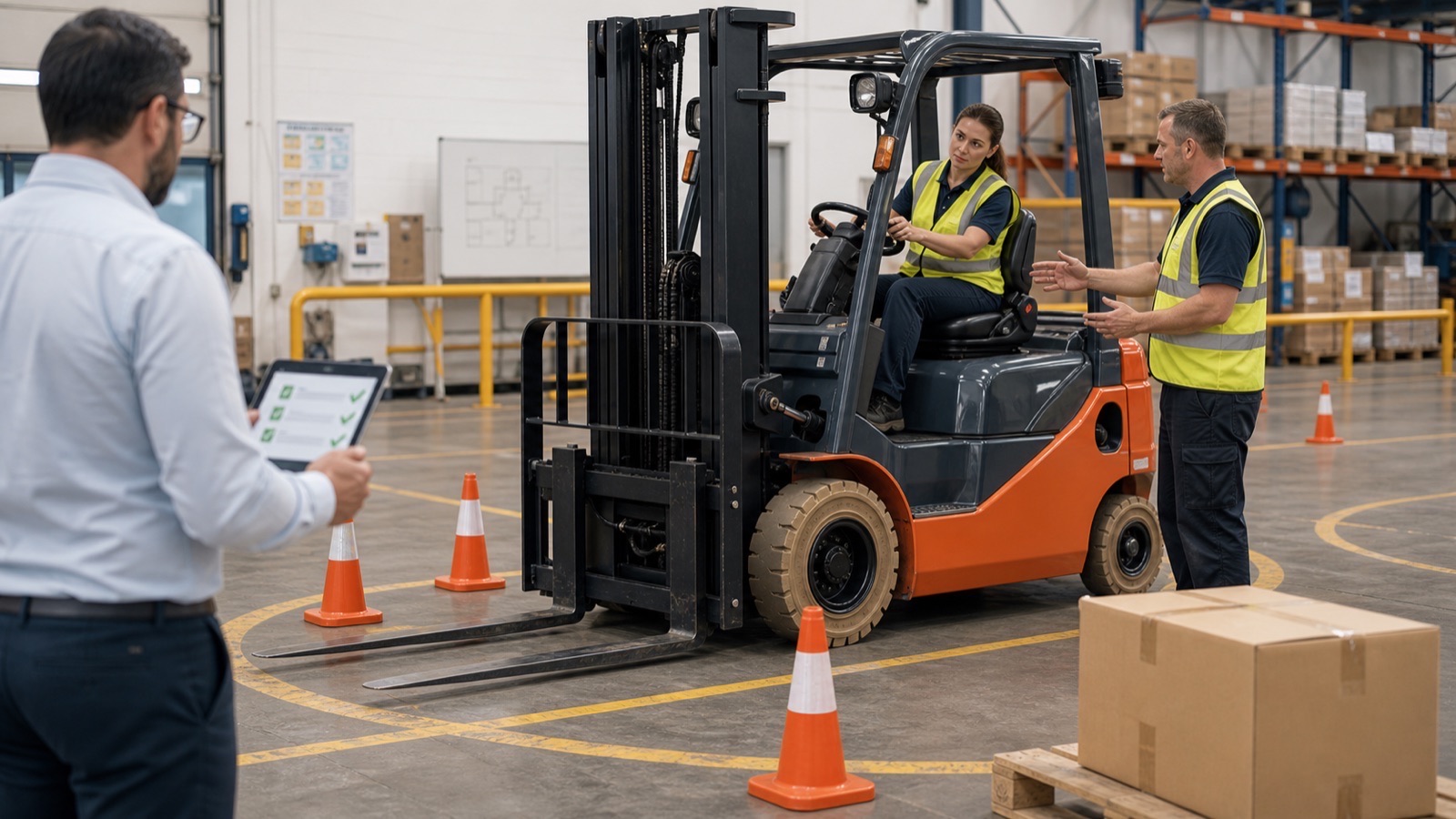
WRMH provides practical forklift training that connects safe operation with the realities of the site. We can support novice, refresher and conversion training, then help managers spot where recurring damage or unsafe behaviour suggests a need for targeted coaching. Training records can also be tied into wider compliance planning.
A practical starting point is to connect training needs with the costs and behaviours already visible on site. WRMH can review damage patterns, pre-use check quality, battery habits and operator confidence, then recommend the right course or refresher route.
This turns the training evidence into a controlled next step, with less risk of spending time or budget on the wrong intervention.
Common mistakes
The wrong response is treating training as a certificate rather than a control that changes daily behaviour and cost. That approach weakens the record managers need to compare options, assign ownership and judge whether the intervention worked.
When to ask WRMH for help
Talk to WRMH when operator behaviour, damage or confidence suggests training could protect both people and cost. The useful outcome is a training decision tied to the truck, task and evidence, with a clear owner for what changes next.
Further reading
Build your understanding of this topic
These related knowledge base articles give you more context, checks and practical language before you decide what to do next.