
Rack protection is valuable when it absorbs a credible contact without creating a narrower or more confusing route. Installing barriers everywhere can consume working aisle, move impacts to another point and spend capital where the evidence does not support it.
Short answer
Forklift racking protection is worth investing in where impact history, route geometry and consequence show a recurring exposure that cannot be removed more effectively. Compare the installed cost with rack repairs, inspections, stock disruption and truck damage at the exact location. Protection should complement suitable equipment, layout and supervision rather than excuse an unworkable movement.
What this means in practice
A wholesale warehouse replaces the same end-upright protector three times in six months. Records show rear-swing contact from one counterbalance while leaving a temporary staging lane. A larger barrier might protect the upright, but it would reduce the turning envelope further. The manager needs to compare a revised staging boundary, a more compact truck and an engineered protection option before approving spend.
The commercial decision is where protection reduces total exposure and where it merely relocates contact. Plot impacts, vehicle direction and load state; then measure the remaining clearance with the proposed barrier footprint.
Key checks
- Count impacts, repair cost and inspection disruption at each precise rack location.
- Measure the truck's rear swing and load envelope with the proposed protection installed.
- Check whether the barrier could deflect contact towards pedestrians, stock or another upright.
- Separate one-off severe events from frequent low-energy contacts.
- Set a review measure for contact frequency and rack condition after installation.
Include the cost of temporary aisle closure, stock relocation and competent rack inspection, not only replacement steel. A protection proposal becomes stronger when it states which event it is designed to tolerate and what remains controlled by traffic management.
Review the proposal with facilities and operations together. Facilities may favour stronger steel while operations sees the lost turning space; the investment only works when both the structural consequence and the live movement are addressed.
Common mistakes
Choosing the largest visible barrier without checking truck clearance can make the manoeuvre harder. Another mistake is treating a damaged protector as proof that it failed; sacrificial protection may have worked, but the recurring movement still needs review.
What good looks like
Protected locations are selected from evidence, the device suits the rack and likely contact, and its footprint leaves a workable route. Inspection and replacement ownership are defined. Managers can explain why protection was chosen over a route, staging or truck change and can show whether rack damage and disruption fell afterwards.
When to ask WRMH for help
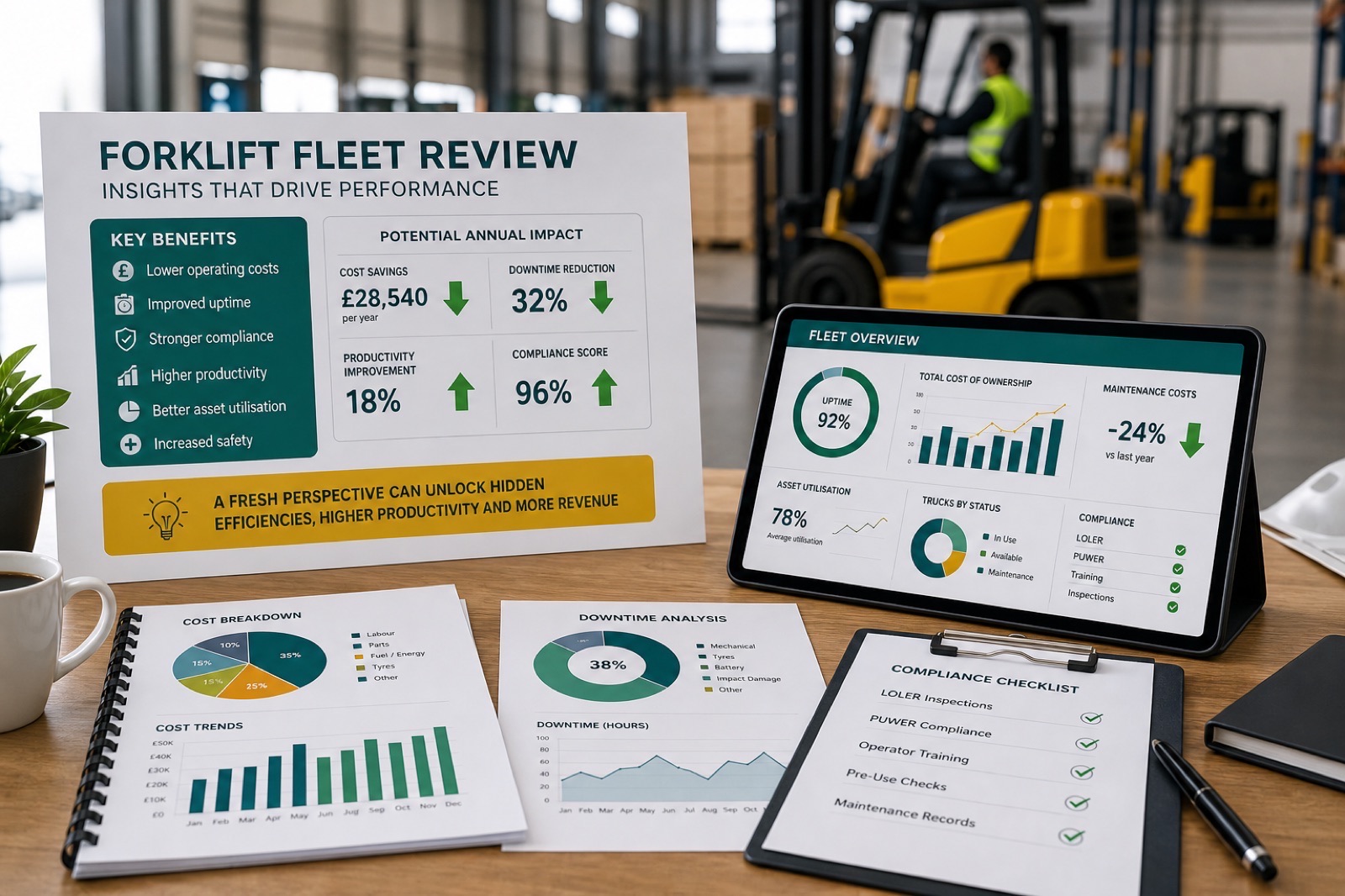
Ask WRMH when repeated truck and rack contact makes the correct investment unclear. WRMH can compare damage patterns, truck geometry and task demands through a fleet review, helping managers test whether equipment suitability, operator practice or protection should change. That provides safer movement and clearer cost control before capital is committed.
rank rack locations by combined repair and disruption cost, then measure the highest-ranked manoeuvre with the proposed protector footprint.