
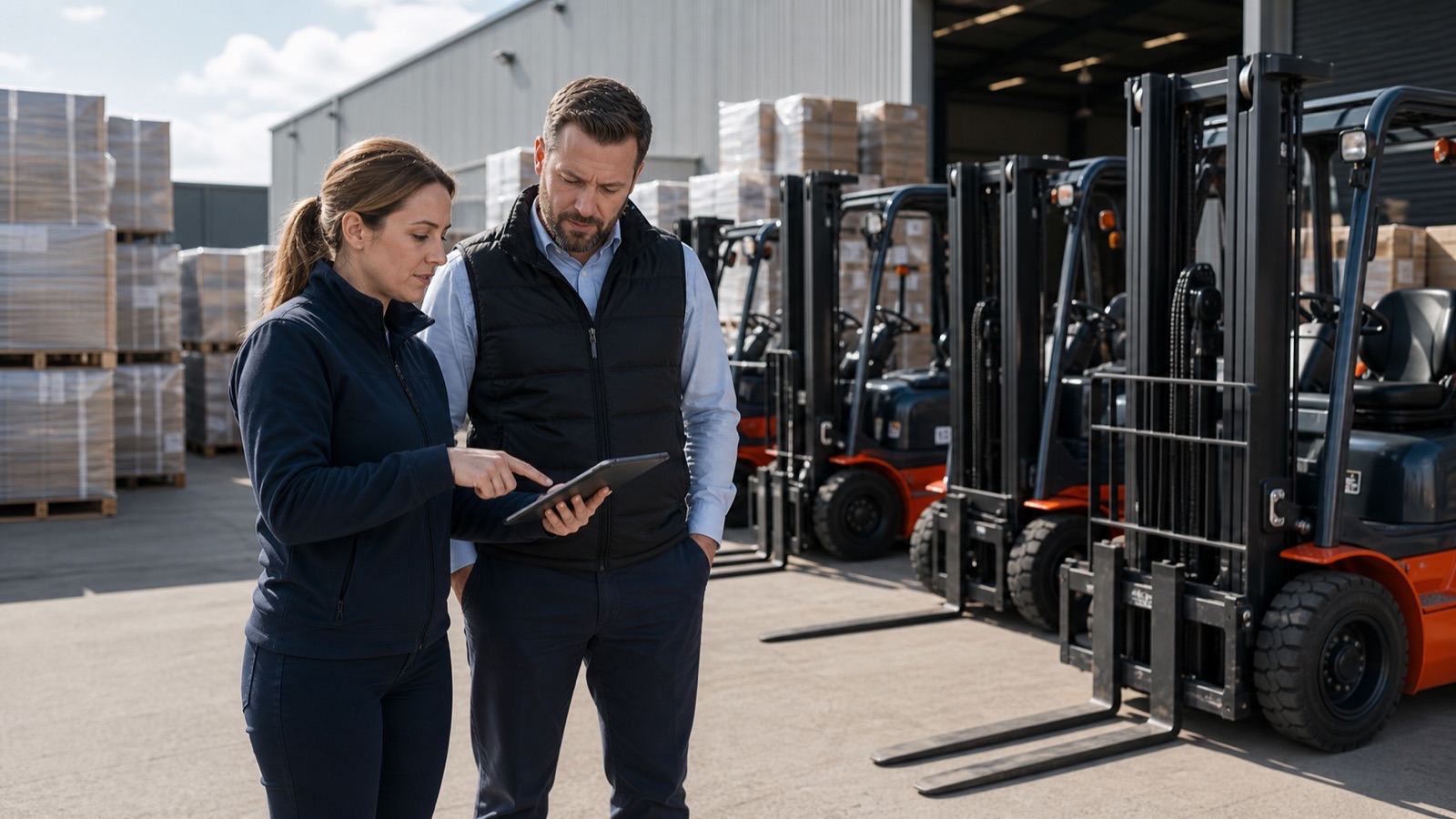
End-of-hire damage disputes usually begin earlier than collection day. If arrival condition, authorised tasks, defects and repairs have not been recorded consistently, managers can struggle to separate fair wear, pre-existing marks and site damage after the truck has already left.
Short answer
Control forklift damage charges by agreeing responsibility at the start, recording condition at delivery, inspecting the truck during the hire and reporting damage while the evidence is fresh. Before return, compare the truck with the signed arrival record and the agreement's wear and damage terms. Do not delay a safety-critical repair simply to avoid a charge.
What this means in practice
A seasonal warehouse hires an electric counterbalance for twelve weeks. A rear panel scuff is noted informally on arrival, but no photograph is attached to the acceptance record. During collection, the same area includes a cracked light and deeper impact mark. With no dated evidence or incident trail, the manager cannot establish which damage arrived with the truck and which occurred during the peak.
The commercial decision is whether minor damage should be assessed and repaired during hire, monitored under an agreed instruction or left for the return inspection. Safety and truck availability come first; early discussion often gives better cost visibility than an unexplained collection report.
Key checks
- Photograph all sides, forks, tyres, mast, battery or engine bay and hour meter at delivery.
- Link every impact or defect report to the hired truck's asset number and date.
- Check the agreement's definitions of fair wear, misuse, tyre damage and attachment damage.
- Review condition at agreed intervals for longer hires rather than only before collection.
- Obtain a signed collection condition record and retain supporting photographs.
Managers should also check whether the truck remained within its agreed application. A hired warehouse truck moved into yard use, or a standard fork carriage used for an unapproved attachment, can create both damage and responsibility questions that photographs alone will not resolve.
Common mistakes
Taking dozens of undated close-ups without a whole-truck sequence makes comparison difficult. Another mistake is hiding minor damage until return; delayed reporting removes the opportunity to inspect the cause, limit further deterioration and agree a proportionate repair route.
What good looks like
The hire file contains signed arrival and collection condition records, dated photographs, authorised-use details and a complete defect and repair trail. Supervisors report impacts promptly and know who approves repairs. Managers can compare any charge with evidence, explain what happened and identify whether future cost control requires different equipment, training or site protection.
When to ask WRMH for help
Ask WRMH when damage appears during hire, the safe operating status is unclear or the likely return cost could grow if the truck continues working. WRMH can inspect the damage, advise on repair urgency and help connect the physical evidence to the reported event and application. That provides clearer cost control, safer use and stronger records before collection decisions are fixed.
Helpful next step: compare the current truck condition with its delivery photographs now, rather than waiting until the collection vehicle is booked.