
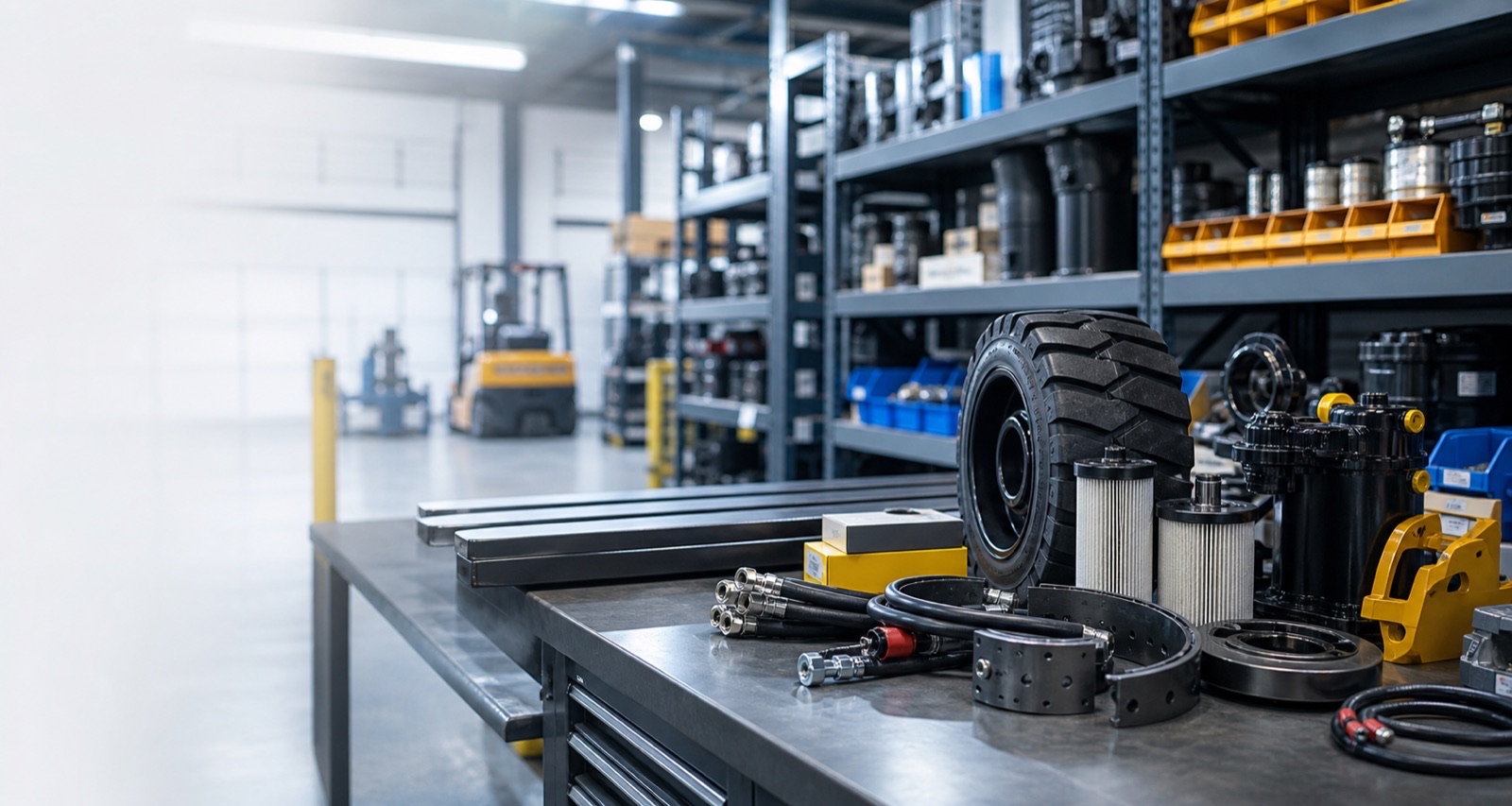
Understanding forklift switches matters because it can change availability, safety, cost or compliance in a real forklift operation. This guide explains the practical point a manager needs before the wrong part is ordered, delivery is delayed or a self-fit repair creates another fault because the component was not identified properly.
Short answer
Forklift switches are truck-specific parts that must match the exact machine, safety function and operating environment. For forklift switches, the parts question covers identification, quality, availability and the correct fitting route. For forklift switches, a manager can move beyond theory by checking component markings and photographs in position, quality level and warranty for the intended duty and whether safety-critical parts selected by price alone is present.
What this means in practice
Forklift switches can affect whether the truck starts, charges, warns pedestrians, controls travel, seals oil, records operator inputs or protects the driver. Small differences in connectors, voltage, dimensions, material or mounting can decide whether the replacement works first time. For forklift switches, the parts question covers identification, quality, availability and the correct fitting route. Keep forklift switches practical by stating what is affected, how urgent it is and what happens next. Reviewing forklift switches, test forklift switches at the repair plan where delivery time and fitting method are agreed. The manager reviewing forklift switches should photograph the condition and record when it appears, then observe the task during a normal busy period rather than an empty-site trial. Connect forklift switches to the next operational choice and the evidence needed to defend it. Compare the finding with engineer bookings made before delivery is confirmed.
Incorrect forklift switches can create repeat faults, disabled safety features, leaks, nuisance alarms or downtime while the correct variant is sourced. For forklift switches, record which option was chosen, why the other routes were rejected and when the conclusion will be reviewed.
Key checks
- To assess forklift switches, capture the part number, dimensions, connector type, material or markings on forklift switches. Record its effect on delivery timing aligned with engineer availability.
- Before forklift switches consumes time or budget, photograph the part in position before removal. Use safety criticality of the failed component to judge its importance.
- At the repair plan where delivery time and fitting method are agreed, for forklift switches, confirm the truck serial number and component variant. Show whether it changes return rights if identification evidence was incomplete.
- To make forklift switches site-specific, check whether the part affects a safety, hydraulic or interlock function. Connect the finding to component markings and photographs in position.
- Before the forklift switches action is closed, ask whether programming, calibration, pressing tools or engineer fitting are required. Record its effect on model-variant differences within the fleet.
Common mistakes
For forklift switches, a quick response can be the wrong response if it bypasses component markings and photographs in position. Managers also need substitute parts approved without compatibility proof recorded, otherwise recurrence cannot be recognised with confidence.
What good looks like
For forklift switches, what good looks like is specific: at the repair plan where delivery time and fitting method are agreed, operators and supervisors follow the same control, serial numbers copied from the wrong truck is traceable and component markings and photographs in position informs the review.
When to ask WRMH for help
For forklift switches, ask for WRMH support when the decision about forklift switches depends on specialist interpretation of quality level and warranty for the intended duty. Evidence from the repair plan where delivery time and fitting method are agreed, including associated seals, fixings or bearings omitted, helps target the right repair, parts, training, inspection, hire or equipment response.