
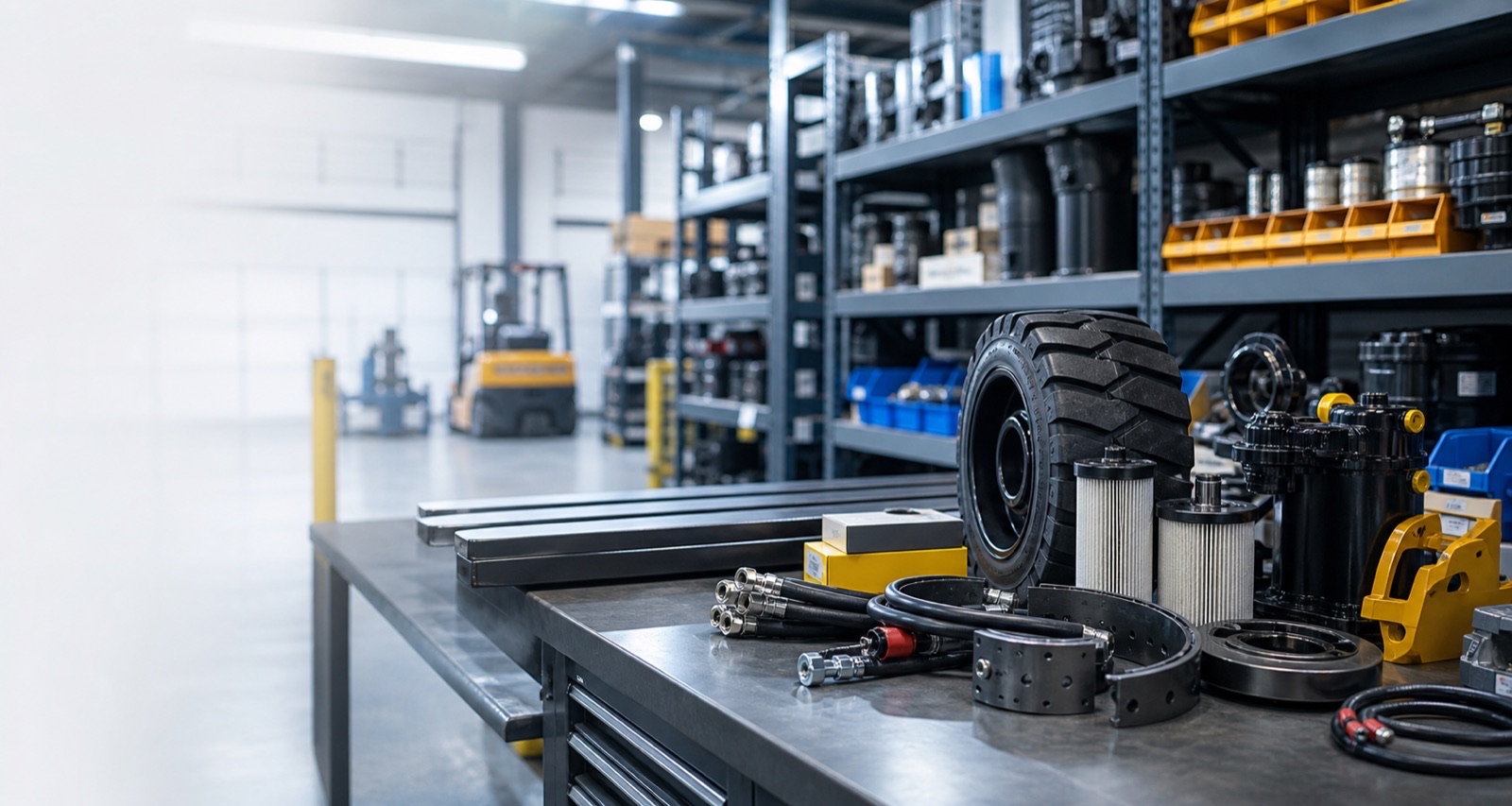
A failed part is not only something to replace. It can be evidence. Wear marks, contamination, cracks, overheating, bent metal, damaged connectors or repeated breakage can point to the operating condition that caused the problem in the first place.
Short answer
Failed forklift parts can help managers understand whether the problem is normal wear, impact damage, wrong specification, poor fitting, contamination, harsh use, weak maintenance or an underlying fault elsewhere on the truck. That evidence helps decide whether replacement alone is enough.
What this means in practice
A hydraulic hose split on an exposed bend may show rubbing or poor routing. A damaged wheel can point to floor condition, debris or overloading. A repeated charger plug failure may reveal handling habits or a damaged battery connector. The part tells a story if someone looks before throwing it away.
The manager decision is whether to close the job after replacement or ask what the failed component reveals. That matters because the same cause can damage the next part, create another engineer visit and keep the truck unreliable during the shifts that need it most.
Key checks
- Keep the failed part available long enough for inspection or photos.
- Look for wear pattern, cracking, heat marks, contamination or impact evidence.
- Ask whether the failure matches normal service life or looks premature.
- Connect the failure to site conditions, operator reports and repair history.
- Decide whether a route change, training point or wider repair is needed.
Common mistakes
A common mistake is disposing of the failed component before anyone has checked what it proves. The site then loses evidence that could have prevented the next fault.
What good looks like
Good control means failed parts are used to confirm cause, not just cost. The manager can explain whether the failure was expected wear, accidental damage, misuse, environmental pressure or a sign of another truck issue.
When to ask WRMH for help
Ask WRMH for help when a part has failed early, failed repeatedly or failed in a way that could affect safety or uptime. WRMH can review the component evidence, truck use and site conditions to help prevent the replacement part being put into the same problem.
photograph and keep the failed part until WRMH has helped interpret the likely cause.
Manager decision and evidence
Failed forklift parts can tell managers about the real cause affect the operation when the issue changes truck availability, route planning, operator confidence, repair timing or compliance evidence. For failed forklift parts can tell managers about the real cause, ask where it touches the working day rather than whether it sounds technical. For failed forklift parts can tell managers about the real cause, the parts question covers identification, quality, availability and the correct fitting route. A stronger decision on failed forklift parts can tell managers about the real cause connects the technical point to the movement, record or cost it changes. Reviewing failed forklift parts can tell managers about the real cause, for “What failed forklift parts can tell managers about the real cause”, begin at the identification step before a purchase order is raised: separate the truck symptom from the route, load and operator conditions and put a cost or delay against the event before ranking the response. Managers should be able to recognise failed forklift parts can tell managers about the real cause on their own site and separate it from a similar issue. Read the result for failed forklift parts can tell managers about the real cause alongside photographs missing connectors or mounting points.
If failed forklift parts can tell managers about the real cause is handled loosely, managers can spend money without solving the real constraint, leave uncertainty in the records or keep a truck working in conditions that deserve a clearer decision. Choose the response to failed forklift parts can tell managers about the real cause that controls the identified mechanism, not simply the fastest action available. The manager should record who owns the action, what evidence will confirm it has worked and when the decision will be reviewed.
For failed forklift parts can tell managers about the real cause, this extra discipline keeps a useful article from ending as general guidance. It gives operations, maintenance and safety teams one shared basis for deciding what changes now and what evidence should be retained.