
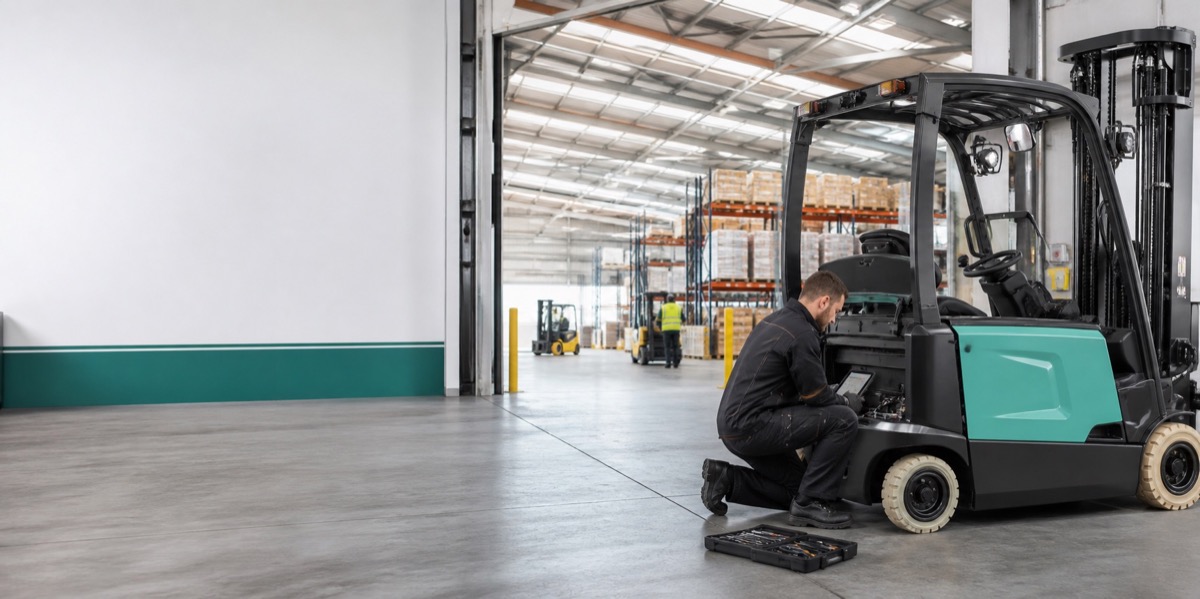
Engineer attendance is strongest when the visit starts before the van arrives. If the symptoms, truck details and likely failure area are understood early, WRMH can consider likely parts, diagnostic route and hire risk before the engineer reaches site.
Short answer
Pre-picking likely parts means using fault information to prepare components that are plausible for the symptom, truck model and operating context. It does not guarantee every repair, but it improves the chance that the engineer has the right options available when the fault is confirmed.
What this means in practice
A reach truck that will not lift, an electric counterbalance showing intermittent travel loss or a diesel truck with a recurring brake issue all need different preparation. If the first call includes warning codes, service history, photos and the operational consequence, WRMH can decide whether likely hoses, switches, filters, relays, brake parts or diagnostic tools should be considered before attendance.
The manager decision is whether to send a vague callout or invest a few minutes in triage. Better triage can reduce the chance of a second visit, especially where parts availability, access or site urgency matters.
Key checks
- Capture the fault symptom exactly and when it appears.
- Share warning codes, noises, leaks, dashboard messages or operator observations.
- Provide make, model, serial number and recent repair history.
- Explain whether the truck is stopped, restricted or business critical.
- Ask whether likely parts, diagnostics or hire cover should be prepared.
Common mistakes
A common mistake is measuring engineer support only by arrival time. Fast attendance still disappoints if the engineer arrives without the information or likely parts needed to complete the repair.
What good looks like
Good control means the engineer arrives with the fault context, the right diagnostic direction and sensible parts options, while the manager understands whether the repair is likely to be immediate or needs a second step.
When to ask WRMH for help
Ask WRMH for help when the truck is operationally important or the fault has enough detail to prepare properly. WRMH can turn fault symptoms into a more focused attendance plan, improving first-time fix confidence and reducing wasted downtime.
Helpful next step: give WRMH the fault evidence before booking attendance so likely parts can be considered.