
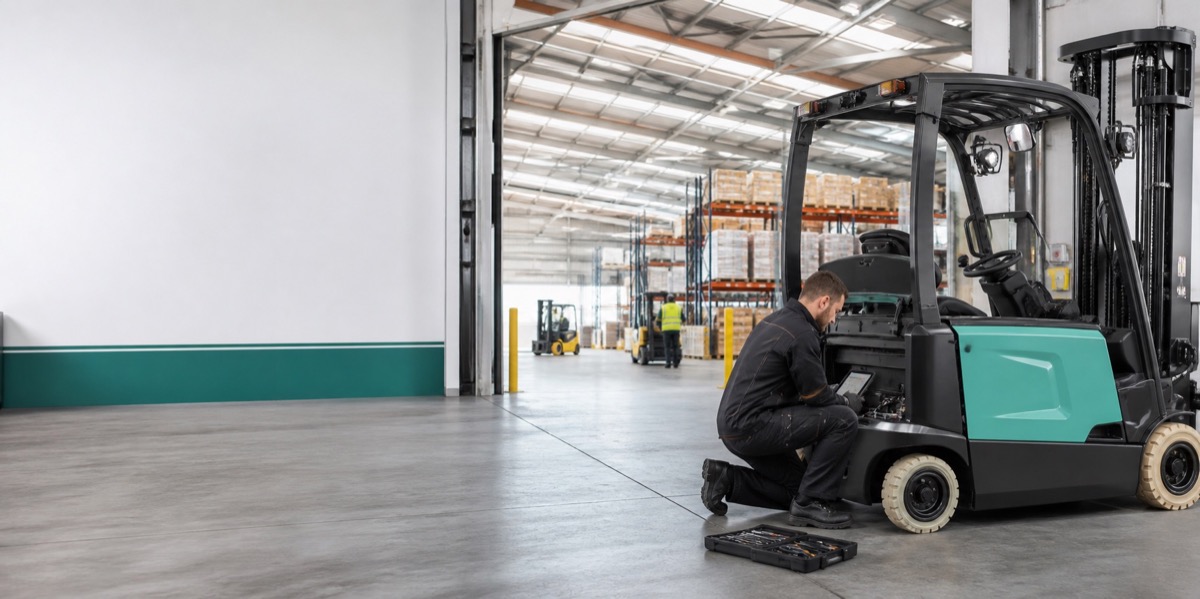
Repeat visits are frustrating, but they are not always caused by poor effort on site or from the engineer. Sometimes the root issue is that the part, variant or surrounding cause was not identified clearly enough before the first repair was attempted.
Short answer
Repeat visits may point to a parts identification problem when similar components are fitted more than once, symptoms return quickly, model variants were uncertain, fault information was incomplete or the replacement part was selected from description rather than serial number, part number and diagnosis.
What this means in practice
A truck may receive a new switch, hose, roller or controller and return to work briefly, only for the fault to come back. The question is whether the part failed, the wrong part was fitted, the surrounding system damaged it or the original symptom was misunderstood.
The manager decision is whether to approve another visit in the same way or pause to review the identification evidence. That review can prevent the site from paying repeatedly while the actual cause remains hidden.
Key checks
- Compare the original symptom with the symptom after the repair.
- Check whether serial number, part number and photos were used.
- Review whether the surrounding system could be damaging the part.
- Ask whether diagnostics are needed before fitting another component.
- Decide whether hire cover is needed while the cause is properly checked.
Common mistakes
A common mistake is treating the second visit as bad luck. If the same fault returns, managers should ask what evidence changed between visits and whether the parts route needs tightening before more labour is spent.
What good looks like
Good control means repeat visits trigger a review of symptoms, parts evidence, diagnostics and operating conditions, so the next attendance is aimed at closing the fault rather than repeating the same assumption.
When to ask WRMH for help
Ask WRMH for help when repeat visits are affecting uptime or confidence. WRMH can review parts identification, repair history and diagnostic evidence to decide whether the issue is wrong part, failed part, fitting route or a deeper truck fault.
Helpful next step: ask WRMH to review the parts evidence before approving another repeat repair.